Ice Dams in Northern Michigan: Prevention and Repair
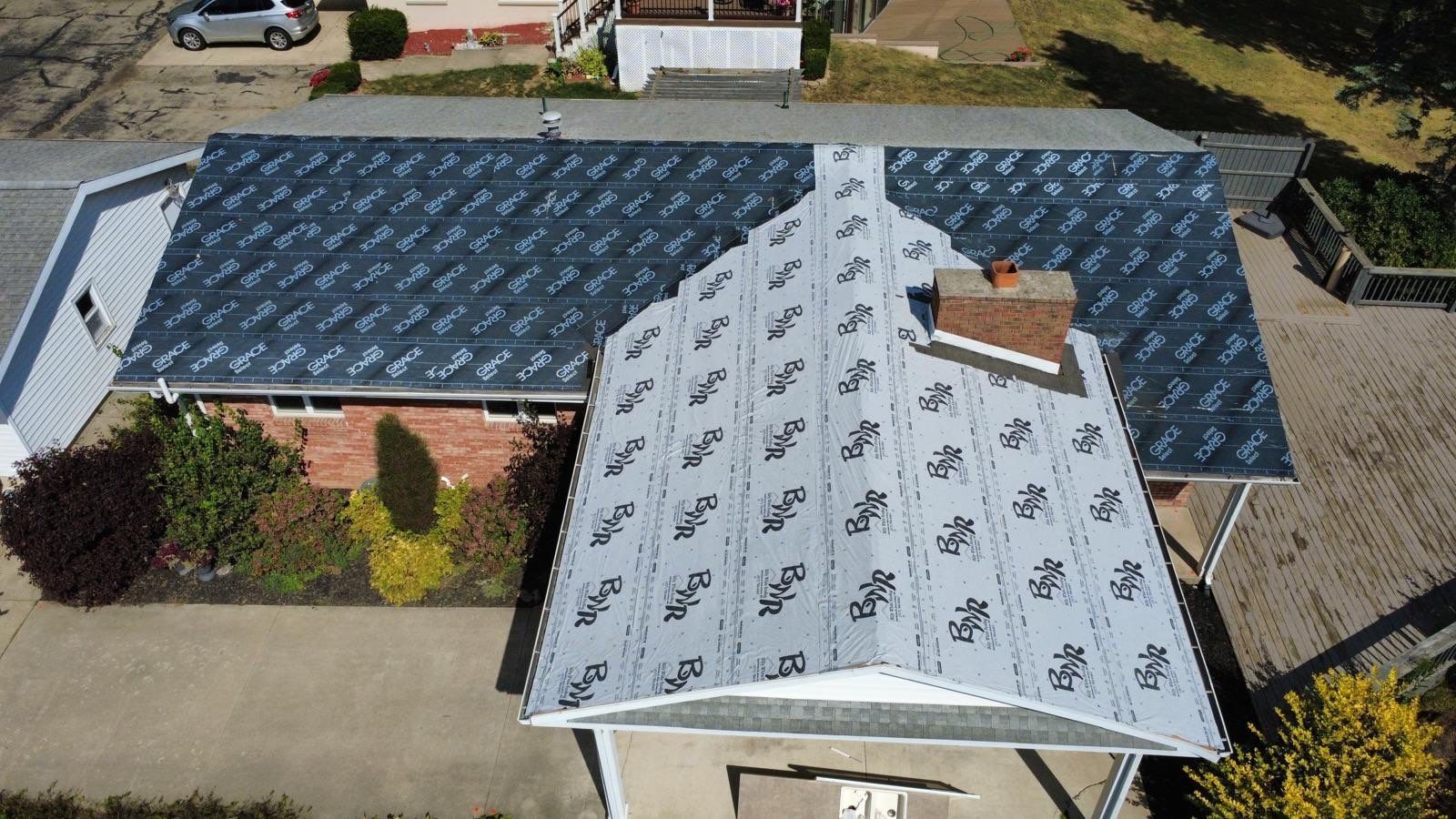
Ice dams are one of the most common and destructive roofing problems in northern Michigan. They damage shingles, cause interior leaks, ruin insulation, and can lead to mold growth. If you own a home in the Torch Lake area, understanding ice dams is essential.
What Is an Ice Dam?
An ice dam is a ridge of ice that forms at the edge of a roof, preventing melting snow from draining. Here's how they form:
- Heat escapes from the living space into the attic
- The roof warms (except at the eaves, which stay cold because they extend beyond the heated space)
- Snow melts on the warm upper roof
- Water runs down to the cold eaves and refreezes
- Ice accumulates into a dam
- Water pools behind the dam and backs up under shingles
- Leaks occur into the attic and living space
The root cause is heat loss from the building — not the snow itself.
Why Northern Michigan Is Especially Prone
Ice dams require two conditions: significant snow and heat loss through the roof. Northern Michigan delivers both:
- 100+ inches of annual snowfall provides the raw material
- Older homes often have inadequate insulation and air sealing
- Lake effect weather creates rapid temperature swings
- Extended cold periods let ice accumulate over weeks
Homes near Torch Lake, Elk Rapids, and throughout Antrim County deal with ice dams regularly.
Signs of Ice Dam Damage
During winter:
- Icicles hanging from eaves or gutters
- Ice forming at the roof edge
- Water stains appearing on ceilings or walls
- Wet insulation visible in attic
After winter:
- Water stains on ceilings near exterior walls
- Peeling paint on soffits or fascia
- Damaged, buckled, or missing shingles along eaves
- Sagging or damaged gutters
- Mold or mildew smell in attic
If you see these signs, you've had ice dam problems — even if you didn't notice during winter.
Prevention Strategies
The only permanent solution to ice dams is stopping heat from escaping through your roof. This requires:
1. Air Sealing
Before adding insulation, seal air leaks from the living space into the attic. Common leak points:
- Around attic access hatches
- Plumbing and electrical penetrations
- Recessed lights (especially older types)
- Ductwork connections
- Top plates of interior walls
Air leaks carry warm, moist air into the attic and are the primary driver of ice dam formation.
2. Adequate Insulation
Northern Michigan homes should have R-49 or higher attic insulation (roughly 14-16 inches of fiberglass or cellulose). Many older homes have far less. Adding insulation keeps heat in the living space instead of escaping to melt roof snow.
3. Proper Ventilation
Even well-insulated attics need ventilation to:
- Remove any heat that does escape
- Prevent moisture buildup
- Keep the roof surface cold
A balanced system with soffit (intake) and ridge (exhaust) vents works best. Make sure insulation isn't blocking soffit vents.
4. Ice and Water Shield
Ice and water shield is a self-sealing membrane installed under shingles along eaves, valleys, and other vulnerable areas. It won't prevent ice dams from forming, but it prevents water that backs up behind the dam from leaking into the home.
Building code in Michigan requires ice and water shield from the eave edge to at least 24 inches inside the exterior wall line. We typically install it further up for extra protection in northern Michigan.
What NOT to Do
Some "solutions" are ineffective or harmful:
- Roof rakes — Removing snow helps temporarily but doesn't address the cause, and improper use damages shingles
- Heat cables — Expensive to operate, creates channels that can make dams worse in some spots, and they often fail
- Chipping out ice — Damages roofing materials and is dangerous
- Salt/ice melt on roof — Corrodes metal and may damage shingles
These are band-aids, not solutions.
Repair After Ice Dam Damage
If ice dams have damaged your roof, repair typically involves:
- Assessment — Determining the extent of damage (shingles, decking, interior)
- Interior repairs — Addressing water damage, mold, insulation replacement
- Roofing repairs — Replacing damaged shingles and underlayment
- Root cause fixes — Adding insulation, ventilation, and ice/water shield to prevent recurrence
Simply patching the roof without addressing the heat loss problem means ice dams will return.
Get a Professional Assessment
If you have ice dam history or concerns about your northern Michigan home, contact us for an assessment. We'll inspect your roof and attic, identify the factors contributing to ice dam formation, and recommend solutions that actually work.
Billy White Roofing: (231) 709-9912
Serving Torch Lake, Elk Rapids, Alden, Bellaire, and all of Antrim County.